Categories
- Packaging Boxes
- Folders Printing
- NCR Printing
- Greeting Cards Printing
- Calender Printing
- Sticker Printing
- Label Printing
- Tag Printing

Archives
- November, 2026
- October, 2026
- September, 2026
- August, 2026
- July, 2026
- June, 2026
- May, 2026
- April, 2026
- March, 2026
- February, 2026
- January, 2026
- December, 2025
- November, 2025
- October, 2025
- September, 2025
- August, 2025
- July, 2025
- June, 2025
- May, 2025
- April, 2025
- March, 2025
- February, 2025
- January, 2025
- December, 2024
- November, 2024
- October, 2024
- September, 2024
- August, 2024
- July, 2024
- June, 2024
- May, 2024
- April, 2024
- March, 2024
- February, 2024
- January, 2024
- December, 2023
- November, 2023
- October, 2023
- September, 2023
- August, 2023
- July, 2023
- June, 2023
- May, 2023
- April, 2023
- March, 2023
- February, 2023
- January, 2023
- December, 2022
- November, 2022
- October, 2022
- September, 2022
- August, 2022
- July, 2022
- June, 2022
- May, 2022
- April, 2022
- March, 2022
- February, 2022
- January, 2022
- December, 2021
- November, 2021
- October, 2021
- September, 2021
- August, 2021
- July, 2021
- June, 2021
- May, 2021
- April, 2021
- March, 2021
- February, 2021
- January, 2021
- December, 2020
- November, 2020
- October, 2020
- September, 2020
- August, 2020
- July, 2020
- June, 2020
- May, 2020
- April, 2020
- March, 2020
- February, 2020
- January, 2020
- December, 2019
- November, 2019
- October, 2019
- September, 2019
- August, 2019
- July, 2019
- June, 2019
- May, 2019
- April, 2019
- March, 2019
- February, 2019
- January, 2019
- December, 2018
- November, 2018
- October, 2018
- September, 2018
- August, 2018
- July, 2018
- June, 2018
- May, 2018
- April, 2018
- March, 2018
- February, 2018
- January, 2018
- December, 2017
- November, 2017
- October, 2017
- September, 2017
- August, 2017
- July, 2017
- June, 2017
- May, 2017
- April, 2017
- March, 2017
- February, 2017
- January, 2017
- December, 2016
- November, 2016
- October, 2016
- September, 2016
- August, 2016
- July, 2016
- June, 2016
- May, 2016
- April, 2016
- March, 2016
- February, 2016
- January, 2016
- December, 2015
- November, 2015
- October, 2015
- September, 2015
- August, 2015
- July, 2015
- June, 2015
- May, 2015
- April, 2015
- March, 2015
- February, 2015
- January, 2015
- Show All

- Free online proofs
- Fast turnaround
- Secure checkout
November 14, 2026
What is custom label printing?
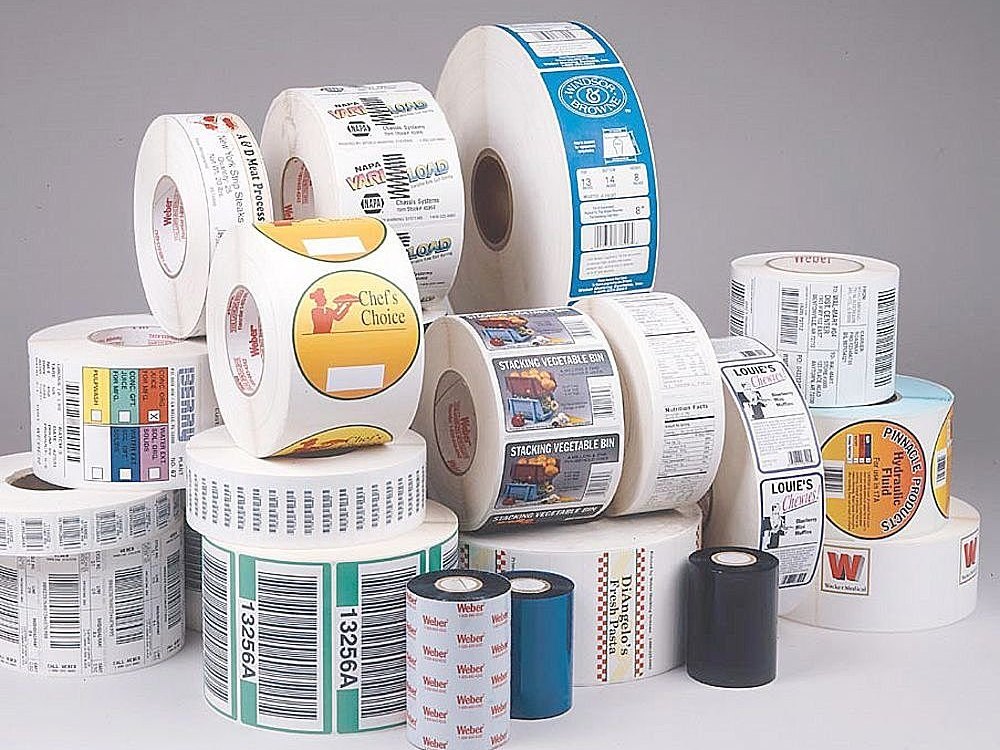
Custom label printing is the production of adhesive labels designed for your product. A label identifies what is inside, who made it and how to use it, and it is often the first thing a customer reads on the shelf. Good labels combine branding with clear information, so they sell your product and also keep customers informed and safe.
Labels are used on food and drink, cosmetics, candles, supplements, household goods and shipping boxes. Our post on the power of branded labels explains why a well-designed label can raise how premium a product feels, even when the packaging is simple.
Which label material is best?
Choose the material based on the surface and the environment the product will face:
| Material | Best for |
|---|---|
| Paper | Dry goods, boxes, bags and indoor products |
| Vinyl | Bottles, cosmetics and products exposed to moisture or handling |
| Clear film | Glass and glossy surfaces where you want a “no label” look |
If a product may be wet, refrigerated or washed, pick a durable option. Our waterproof stickers and the article on heat-proof labels help you decide. For containers that face cooking or hot filling, durability matters even more.
Roll labels or sheet labels?
- Roll labels are wound on a core and suit fast, repeated application on a production line or at a packing table. See roll stickers and read why use roll stickers.
- Sheet labels come on flat sheets and suit smaller batches, hand application and variety packs. Our labels on sticker sheets are ideal for small businesses.
If you pack more than a few hundred items a week, rolls usually save time. For craft products, test batches and gift sets, sheets are more flexible.
How do you choose label size and shape?
- Measure the label area. Wrap a flexible tape around the jar or bottle to find the usable width and height.
- Leave a small margin. Labels should not touch curves, seams or lids.
- Pick a shape that suits the product. Rectangles are easiest, circles suit lids and seals, and custom shapes can make your brand stand out.
- Check readability. Make sure the key text is large enough to read at arm’s length.
What information should a label include?
Requirements depend on the product and where you sell it, so always check the rules that apply to you. In general, labels often include:
- Product name and a short description.
- Brand name, logo and contact details.
- Net quantity such as weight or volume.
- Ingredients and allergen information for food and cosmetics. Read our post on printable food labels.
- Usage, storage or safety instructions. For hazard notices see printing warning labels on household products.
- Batch or date codes and barcodes for tracking and retail.
This is general guidance, not legal advice. Check the current regulations for your product type and market before you finalise your design.
Label design tips
- Create a clear hierarchy. Make the product name the biggest element, then brand and flavour or variety, then details.
- Balance design and information. Our guide to balancing product label design and information shows how.
- Use strong contrast. Dark text on a light background, or the reverse, is easiest to read.
- Be consistent across the range. Use the same layout with colour changes for variants so customers recognise your brand.
- Ask the right questions early. See things to ask when designing custom labels.
- Think about the whole pack. Labels look best with matching packaging boxes, bottle neckers and hang tags. Beer, wine and spirits especially benefit from a distinctive look, as explained in why design special beer and wine bottle labels.
How to order custom labels
- Choose roll or sheet format on our label printing page.
- Select the size, shape, quantity, material and finish.
- Upload your artwork with a small bleed, or ask our team for design support.
- Approve the free digital proof.
- We print, cut and ship your labels.
If your project has special requirements, use the custom quote form. Check the printing glossary for unfamiliar terms such as bleed and die-cut.
Label printing FAQ
What is the best material for product labels?
It depends on the product. Paper suits dry, indoor items, vinyl suits bottles and products exposed to moisture, and clear film suits glass or glossy packaging where you want a transparent look.
What is the difference between roll labels and sheet labels?
Roll labels are wound on a core and are fast to apply in volume. Sheet labels come on flat sheets and suit small batches, hand application and variety packs.
Are custom labels waterproof?
Not all of them. Vinyl labels with a protective finish are designed to resist moisture, while paper labels are not waterproof. Choose a durable material for anything that may get wet or be refrigerated.
What information must be on a food label?
Food labels commonly include the product name, ingredients, allergen information, net quantity and the business name and address. Requirements differ by country and product, so check the rules that apply to you.
How do I measure for a label?
Wrap flexible tape around the container to measure the width and height of the flat area, and leave a small margin from curves, seams and lids so the label sits smoothly.
Can I get a proof before my labels are printed?
Yes. A free digital proof lets you check colours, size and text before production, so you can fix any mistakes before the full run is printed.
